
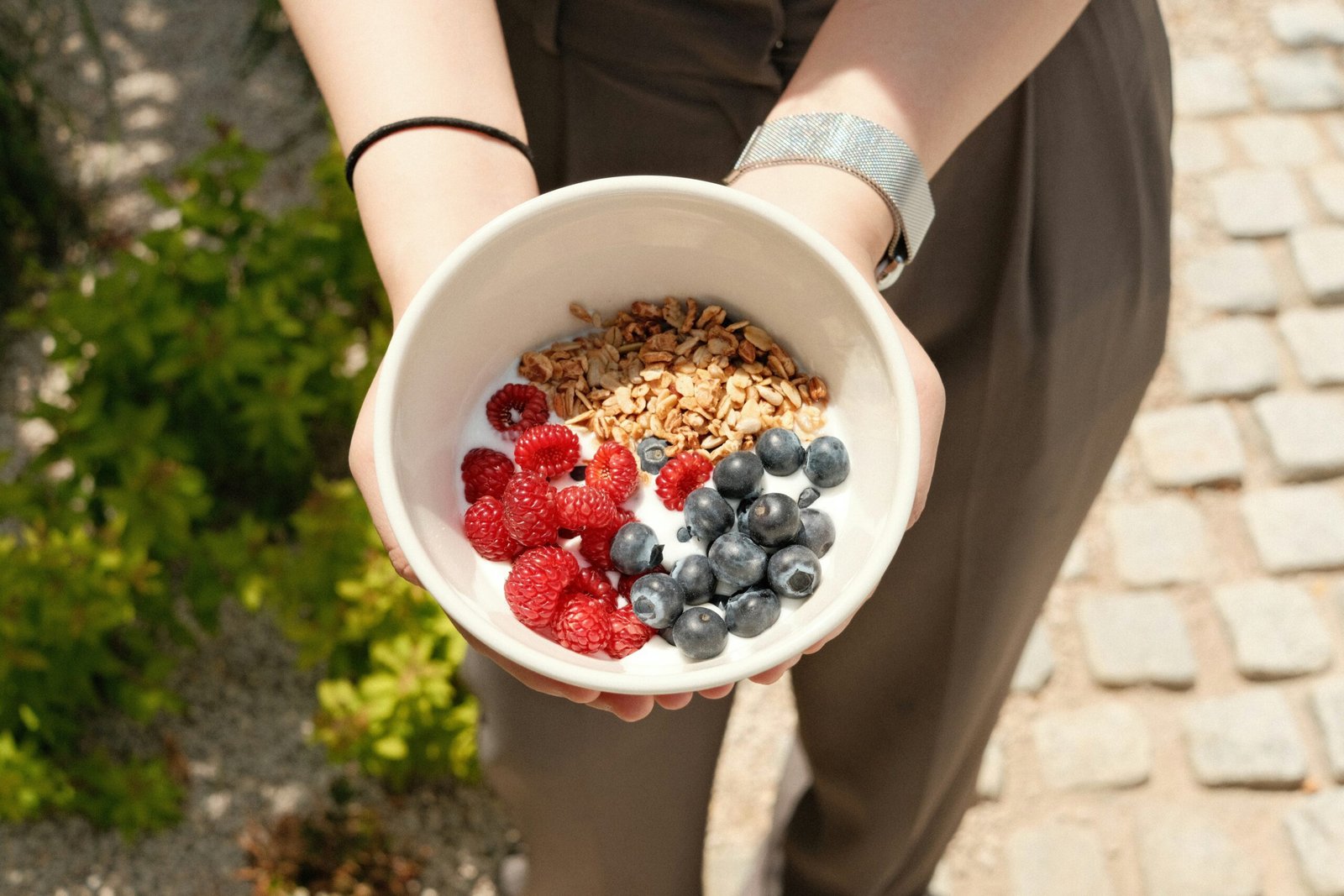
High fibre foods in the UK can be a game-changer for digestion, but only if you add them in a way your gut can tolerate. If you’re searching for high fibre foods UK options that won’t leave you bloated, you’re in the right place. You know the advice: eat more fibre. It’s good for digestion, good for your gut, good for everything.
So you do what most people do… you buy bran cereal, add lentils, swap to wholegrain everything…
…and suddenly your stomach feels like a balloon.
If that’s you, you’re not failing at healthy eating. You’re just doing what many of us do: adding too much, too fast, without giving your gut time to adjust.
If you’re also exploring fermented foods, here’s our gentle guide to fermented foods for gut health.
This guide will give you a UK-friendly list of high fibre foods, the difference between soluble fibre, insoluble fibre and resistant starch, and a gentle, realistic way to increase fibre without bloating.
Because the goal isn’t “maximum fibre overnight”. It’s steady fibre your body can actually tolerate.
What is fibre (and why does it matter)?
Fibre is the part of plant foods that your body can’t fully digest. Instead of being absorbed like fats, proteins or carbohydrates, fibre travels through your gut and helps with regular bowel movements, stool softness and bulk, and feeding the bacteria in your gut (your microbiome).
In the UK, adults are advised to aim for around 30g of fibre per day, but most people fall well short of that.
And here’s the important bit: if you suddenly go from “not much fibre” to “loads of fibre”, your gut bacteria get a surprise feast. As they ferment all that new fibre, they can produce extra gas, which often means bloating, discomfort and that frustrating “why did I bother?” feeling.
So if fibre makes you bloat, it doesn’t always mean fibre is “bad for you”. It often just means you’ve increased it faster than your gut can adapt.
The 3 types of fibre (and why your gut may react differently)
Not all fibre behaves the same way. Knowing the difference helps you choose foods that feel gentler and still support digestion.
Soluble fibre (often the gentlest starting point)
Soluble fibre absorbs water and forms a soft gel in the gut. It tends to be slower-moving and often feels calmer for sensitive digestion.
Common soluble fibre foods include:
- porridge oats
- barley
- chia seeds
- ground flaxseed
- psyllium husk (small amounts)
- apples and pears (especially stewed)
- carrots and parsnips (cooked)
If your digestion is unpredictable (constipation one week, loose stools the next), soluble fibre is often the safest place to begin.
Insoluble fibre (helpful, but go steady)
Insoluble fibre adds bulk and helps keep things moving. It can be very useful for constipation, but some people find it more irritating if they’re prone to bloating or cramping.
Common sources include:
- wholemeal bread
- wheat bran (including some bran cereals)
- brown rice
- wholegrain pasta
- vegetable skins and seeds
If this kind of fibre sets you off, don’t panic, you don’t have to avoid it forever. It often just needs a slower build-up. One easy adjustment is switching from lots of raw veg and bran to gentler options like soups, stews and roasted vegetables.
Resistant starch (a quiet gut-helper)
Resistant starch is a type of carbohydrate that “resists” digestion in the small intestine and reaches the large bowel, where gut bacteria ferment it.
Fermentation can produce short-chain fatty acids (SCFAs) compounds linked with gut health processes, including supporting how the gut lining functions. This isn’t a cure-all, but it’s one reason some fibres are considered especially gut-friendly.
Resistant starch sources include:
- lentils, chickpeas and beans
- oats
- cooked then cooled potatoes
- cooked then cooled rice
- slightly green bananas
Resistant starch can be brilliant, but it can also cause gas if you overdo it. Small portions first is the key.
For more on how gut bacteria use fibre, see: Prebiotics vs Probiotics vs Postbiotics
High fibre foods UK: simple, realistic options
Let’s keep this practical. Below is a simple high fibre foods UK list you can actually use day-to-day. The kind of fibre foods you can actually buy in UK supermarkets and use in normal meals.
High fibre breakfast ideas
- Porridge oats (an easy soluble fibre win)
- Chia or ground flaxseed stirred into yoghurt
- Raspberries or blackberries (high fibre for their size)
- Wholemeal toast (if tolerated)
- Weetabix-style cereals (go steady and add fluids)
If bran cereal makes you bloat, don’t force it. Oats are often a calmer daily staple.
High fibre lunch and dinner choices
- Lentils, chickpeas and beans (start with 2–3 tablespoons)
- Sweet potato (skin on if tolerated)
- Cooked vegetables like carrots, peas, spinach and broccoli
- Wholegrains like quinoa, bulgur wheat or brown rice
- A gentle upgrade swap: half white + half wholegrain pasta or rice
A lot of people find “half-and-half” is the sweet spot: you get the benefit without the blow-up.
High fibre snacks that won’t feel like punishment
- Pears, apples, oranges
- A small handful of almonds or walnuts
- Hummus with oatcakes
- Plain popcorn
- Berries with yoghurt
Snacks are a great way to build fibre slowly without making meals feel heavy.
Quick reference table
| Food group | UK examples | Gentle starting portion |
| Grains | porridge oats, wholemeal bread | 1 small bowl / 1 slice |
| Legumes | lentils, chickpeas, baked beans | 2–3 tablespoons |
| Vegetables | carrots, peas, broccoli, sweet potato | ½ cup cooked |
| Fruit | berries, pears, apples | 1 portion |
| Nuts/seeds | almonds, chia, flaxseed | 1 tablespoon |
How to increase fibre without bloating (the gentle method)
This is the part most people miss.
They hear “eat more fibre” and change everything overnight, then spend the next few days uncomfortable.
A calmer approach works better.
Fibre comfort rules (simple, but powerful)
- Start low, go slow — increase fibre over 1–2 weeks, not overnight.
- Spread fibre across the day — a little at breakfast + a little at lunch + a little at dinner is easier than one mega-fibre meal.
- Increase fluids alongside fibre — fibre pulls water into the gut; without enough fluid, constipation and bloating can worsen.
- Start with softer fibres first — oats, chia, cooked veg, stewed fruit.
- Cook vegetables if you’re sensitive — raw veg can be harder work for digestion. Soups, stews and roasted veg are often better tolerated.
- If constipation is part of the picture — fibre alone isn’t always enough. Many people do best with warm drinks in the morning, a consistent routine, and gentle movement.
7-day gentle fibre ramp (no drama)
Days 1–2:
Add one new fibre habit (porridge oats OR berries)
Days 3–4:
Add a small resistant starch portion (2–3 tablespoons lentils or chickpeas)
Days 5–7:
Add one extra portion of cooked veg AND one half-and-half wholegrain swap
If your gut complains at any stage, hold steady for a few more days. That is still progress.
Read more: NHS guide to getting more fibre into your diet
Sensitive gut or IBS? Here’s the gentle version
If you have IBS (or a gut that flares easily), fibre can still help — but it needs more care.
Many people do best starting with soluble fibres (like oats or psyllium) and going slower with highly fermentable fibres (like large bean portions).
If symptoms are unpredictable, the safest approach is:
- one change at a time
- cooked foods over raw
- smaller portions more often
If you’re unsure, a registered dietitian can help tailor fibre increases safely.
Quick UK cheat list: What foods are high in fibre?
If you take one thing from this guide, let it be this: go gently, and choose high fibre foods UK options your gut tolerates.
Here’s a quick fibre rich foods list you can screenshot:
- porridge oats
- baked beans
- lentils and chickpeas
- raspberries and blackberries
- pears and apples
- broccoli and carrots
- sweet potato
- wholemeal bread
- chia seeds and ground flaxseed
- almonds
- popcorn
- bran cereals (only if tolerated)
What are the best high fibre foods for constipation?
Foods that combine fibre with good hydration often work well. Prunes, pears, and kiwi fruit have evidence supporting their use for constipation. Oats and ground flaxseed can also help. Increase fluids alongside any fibre increase, and give changes a week or two to take effect.
What if fibre makes me gassy?
Some gas is normal when you increase fibre — it’s a sign your gut bacteria are adapting. If it’s excessive, you may be increasing too quickly. Slow down, focus on gentler soluble fibres (like oats or chia), and spread fibre across the day. For most people, this settles within a few weeks.
What is the best fibre for a sensitive gut?
Soluble fibre sources like oats, chia seeds, psyllium, and cooked carrots are often better tolerated. Start with small portions and build gradually. Cooking vegetables well and avoiding large bean portions in one sitting can also help reduce bloating.
How long does bloating last when increasing fibre?
For most people, bloating improves within two to four weeks as gut bacteria adjust. If bloating persists, worsening discomfort can be a sign you’re increasing too fast — slow down and hold steady for a few more days. If symptoms are severe or ongoing, speak to a healthcare professional.
How much fibre should I eat per day in the UK?
The UK recommendation is around 30g of fibre per day for adults. But if you’re currently eating much less, it’s better to work up gradually rather than trying to hit 30g immediately. Consistency matters more than speed.
Is it OK to increase fibre if I have IBS?
It can be, but it needs extra care. Some people with IBS do better with soluble fibre, while others may react to certain highly fermentable or high-FODMAP fibres. A slow, gentle approach is best, and if you’re unsure, a registered dietitian can help tailor the right plan.
What are signs I should slow down?
Excessive bloating, cramping, sudden changes in bowel habits, or persistent discomfort can mean you’ve increased fibre too quickly. Pause where you are, reduce slightly if needed, and move forward more gradually.
Final takeaway
You don’t need to hit 30g of fibre overnight.
The best fibre plan is the one your body can tolerate consistently.
Start with one small change this week — oats at breakfast, a few spoonfuls of lentils at dinner, or one extra portion of cooked veg — then build slowly.
For more gut-friendly basics, explore:
- Internal link: What is the gut microbiome?
- Internal link: Prebiotics vs Probiotics vs Postbiotics
Medical disclaimer: This article is general information, not medical advice. If you have severe symptoms (blood in stool, unexplained weight loss, persistent or worsening pain), please seek medical advice.
Sources
- NHS – How to get more fibre into your diet
- British Dietetic Association (BDA) – Fibre and healthy eating resources
- Scientific Advisory Committee on Nutrition (SACN) – Carbohydrates and Health report
- Mayo Clinic – Dietary fibre: essential for a healthy diet
- Cleveland Clinic – High-fibre foods and soluble vs insoluble fibre
- Harvard T.H. Chan School of Public Health – Fibre and the gut microbiome
- Monash University – Fibre and IBS guidance