Tag: gut health

  • High Fibre Foods UK: 15 Easy Picks (Without Bloating)

    High Fibre Foods UK: 15 Easy Picks (Without Bloating)

    High fibre foods in the UK can be a game-changer for digestion, but only if you add them in a way your gut can tolerate. If you’re searching for high fibre foods UK options that won’t leave you bloated, you’re in the right place. You know the advice: eat more fibre. It’s good for digestion, good for your gut, good for everything.

    So you do what most people do… you buy bran cereal, add lentils, swap to wholegrain everything…

    …and suddenly your stomach feels like a balloon.

    If that’s you, you’re not failing at healthy eating. You’re just doing what many of us do: adding too much, too fast, without giving your gut time to adjust.

    If you’re also exploring fermented foods, here’s our gentle guide to fermented foods for gut health.

    This guide will give you a UK-friendly list of high fibre foods, the difference between soluble fibre, insoluble fibre and resistant starch, and a gentle, realistic way to increase fibre without bloating.

    Because the goal isn’t “maximum fibre overnight”. It’s steady fibre your body can actually tolerate.

    What is fibre (and why does it matter)?

    Fibre is the part of plant foods that your body can’t fully digest. Instead of being absorbed like fats, proteins or carbohydrates, fibre travels through your gut and helps with regular bowel movements, stool softness and bulk, and feeding the bacteria in your gut (your microbiome).

    In the UK, adults are advised to aim for around 30g of fibre per day, but most people fall well short of that.

    And here’s the important bit: if you suddenly go from “not much fibre” to “loads of fibre”, your gut bacteria get a surprise feast. As they ferment all that new fibre, they can produce extra gas, which often means bloating, discomfort and that frustrating “why did I bother?” feeling.

    So if fibre makes you bloat, it doesn’t always mean fibre is “bad for you”. It often just means you’ve increased it faster than your gut can adapt.

    The 3 types of fibre (and why your gut may react differently)

    Not all fibre behaves the same way. Knowing the difference helps you choose foods that feel gentler and still support digestion.

    Soluble fibre (often the gentlest starting point)

    Soluble fibre absorbs water and forms a soft gel in the gut. It tends to be slower-moving and often feels calmer for sensitive digestion.

    Common soluble fibre foods include:

    • porridge oats
    • barley
    • chia seeds
    • ground flaxseed
    • psyllium husk (small amounts)
    • apples and pears (especially stewed)
    • carrots and parsnips (cooked)

    If your digestion is unpredictable (constipation one week, loose stools the next), soluble fibre is often the safest place to begin.

    Insoluble fibre (helpful, but go steady)

    Insoluble fibre adds bulk and helps keep things moving. It can be very useful for constipation, but some people find it more irritating if they’re prone to bloating or cramping.

    Common sources include:

    • wholemeal bread
    • wheat bran (including some bran cereals)
    • brown rice
    • wholegrain pasta
    • vegetable skins and seeds

    If this kind of fibre sets you off, don’t panic, you don’t have to avoid it forever. It often just needs a slower build-up. One easy adjustment is switching from lots of raw veg and bran to gentler options like soups, stews and roasted vegetables.

    Resistant starch (a quiet gut-helper)

    Resistant starch is a type of carbohydrate that “resists” digestion in the small intestine and reaches the large bowel, where gut bacteria ferment it.

    Fermentation can produce short-chain fatty acids (SCFAs) compounds linked with gut health processes, including supporting how the gut lining functions. This isn’t a cure-all, but it’s one reason some fibres are considered especially gut-friendly.

    Resistant starch sources include:

    • lentils, chickpeas and beans
    • oats
    • cooked then cooled potatoes
    • cooked then cooled rice
    • slightly green bananas

    Resistant starch can be brilliant, but it can also cause gas if you overdo it. Small portions first is the key.

    For more on how gut bacteria use fibre, see: Prebiotics vs Probiotics vs Postbiotics

    High fibre foods UK: simple, realistic options

    Let’s keep this practical. Below is a simple high fibre foods UK list you can actually use day-to-day. The kind of fibre foods you can actually buy in UK supermarkets and use in normal meals.

    High fibre breakfast ideas

    • Porridge oats (an easy soluble fibre win)
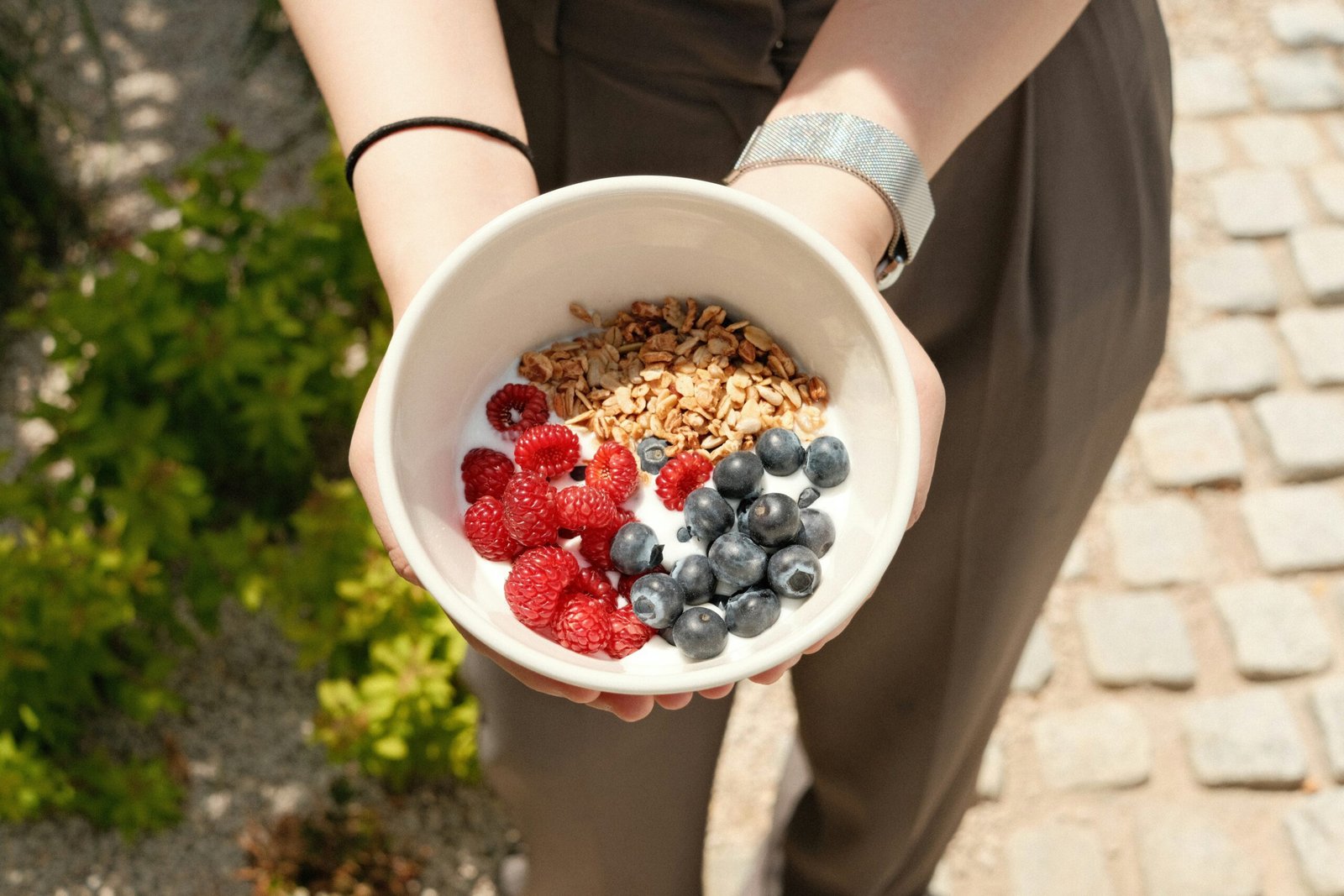
    • Chia or ground flaxseed stirred into yoghurt
    • Raspberries or blackberries (high fibre for their size)
    • Wholemeal toast (if tolerated)
    • Weetabix-style cereals (go steady and add fluids)

    If bran cereal makes you bloat, don’t force it. Oats are often a calmer daily staple.

    High fibre lunch and dinner choices

    • Lentils, chickpeas and beans (start with 2–3 tablespoons)
    • Sweet potato (skin on if tolerated)
    • Cooked vegetables like carrots, peas, spinach and broccoli
    • Wholegrains like quinoa, bulgur wheat or brown rice
    • A gentle upgrade swap: half white + half wholegrain pasta or rice

    A lot of people find “half-and-half” is the sweet spot: you get the benefit without the blow-up.

    High fibre snacks that won’t feel like punishment

    • Pears, apples, oranges
    • A small handful of almonds or walnuts
    • Hummus with oatcakes
    • Plain popcorn
    • Berries with yoghurt

    Snacks are a great way to build fibre slowly without making meals feel heavy.

    Quick reference table

    Food groupUK examplesGentle starting portion
    Grainsporridge oats, wholemeal bread1 small bowl / 1 slice
    Legumeslentils, chickpeas, baked beans2–3 tablespoons
    Vegetablescarrots, peas, broccoli, sweet potato½ cup cooked
    Fruitberries, pears, apples1 portion
    Nuts/seedsalmonds, chia, flaxseed1 tablespoon

    How to increase fibre without bloating (the gentle method)

    This is the part most people miss.

    They hear “eat more fibre” and change everything overnight, then spend the next few days uncomfortable.

    A calmer approach works better.

    Fibre comfort rules (simple, but powerful)

    • Start low, go slow — increase fibre over 1–2 weeks, not overnight.
    • Spread fibre across the day — a little at breakfast + a little at lunch + a little at dinner is easier than one mega-fibre meal.
    • Increase fluids alongside fibre — fibre pulls water into the gut; without enough fluid, constipation and bloating can worsen.
    • Start with softer fibres first — oats, chia, cooked veg, stewed fruit.
    • Cook vegetables if you’re sensitive — raw veg can be harder work for digestion. Soups, stews and roasted veg are often better tolerated.
    • If constipation is part of the picture — fibre alone isn’t always enough. Many people do best with warm drinks in the morning, a consistent routine, and gentle movement.

    7-day gentle fibre ramp (no drama)

    Days 1–2:

    Add one new fibre habit (porridge oats OR berries)

    Days 3–4:

    Add a small resistant starch portion (2–3 tablespoons lentils or chickpeas)

    Days 5–7:

    Add one extra portion of cooked veg AND one half-and-half wholegrain swap

    If your gut complains at any stage, hold steady for a few more days. That is still progress.

    Read more: NHS guide to getting more fibre into your diet

    Sensitive gut or IBS? Here’s the gentle version

    If you have IBS (or a gut that flares easily), fibre can still help — but it needs more care.

    Many people do best starting with soluble fibres (like oats or psyllium) and going slower with highly fermentable fibres (like large bean portions).

    If symptoms are unpredictable, the safest approach is:

    • one change at a time
    • cooked foods over raw
    • smaller portions more often

    If you’re unsure, a registered dietitian can help tailor fibre increases safely.

    Quick UK cheat list: What foods are high in fibre?

    If you take one thing from this guide, let it be this: go gently, and choose high fibre foods UK options your gut tolerates.

    Here’s a quick fibre rich foods list you can screenshot:

    • porridge oats
    • baked beans
    • lentils and chickpeas
    • raspberries and blackberries
    • pears and apples
    • broccoli and carrots
    • sweet potato
    • wholemeal bread
    • chia seeds and ground flaxseed
    • almonds
    • popcorn
    • bran cereals (only if tolerated)

    What are the best high fibre foods for constipation?

    Foods that combine fibre with good hydration often work well. Prunes, pears, and kiwi fruit have evidence supporting their use for constipation. Oats and ground flaxseed can also help. Increase fluids alongside any fibre increase, and give changes a week or two to take effect.

    What if fibre makes me gassy?

    Some gas is normal when you increase fibre — it’s a sign your gut bacteria are adapting. If it’s excessive, you may be increasing too quickly. Slow down, focus on gentler soluble fibres (like oats or chia), and spread fibre across the day. For most people, this settles within a few weeks.

    What is the best fibre for a sensitive gut?

    Soluble fibre sources like oats, chia seeds, psyllium, and cooked carrots are often better tolerated. Start with small portions and build gradually. Cooking vegetables well and avoiding large bean portions in one sitting can also help reduce bloating.

    How long does bloating last when increasing fibre?

    For most people, bloating improves within two to four weeks as gut bacteria adjust. If bloating persists, worsening discomfort can be a sign you’re increasing too fast — slow down and hold steady for a few more days. If symptoms are severe or ongoing, speak to a healthcare professional.

    How much fibre should I eat per day in the UK?

    The UK recommendation is around 30g of fibre per day for adults. But if you’re currently eating much less, it’s better to work up gradually rather than trying to hit 30g immediately. Consistency matters more than speed.

    Is it OK to increase fibre if I have IBS?

    It can be, but it needs extra care. Some people with IBS do better with soluble fibre, while others may react to certain highly fermentable or high-FODMAP fibres. A slow, gentle approach is best, and if you’re unsure, a registered dietitian can help tailor the right plan.

    What are signs I should slow down?

    Excessive bloating, cramping, sudden changes in bowel habits, or persistent discomfort can mean you’ve increased fibre too quickly. Pause where you are, reduce slightly if needed, and move forward more gradually.

    Final takeaway

    You don’t need to hit 30g of fibre overnight.

    The best fibre plan is the one your body can tolerate consistently.

    Start with one small change this week — oats at breakfast, a few spoonfuls of lentils at dinner, or one extra portion of cooked veg — then build slowly.

    For more gut-friendly basics, explore:

    Medical disclaimer: This article is general information, not medical advice. If you have severe symptoms (blood in stool, unexplained weight loss, persistent or worsening pain), please seek medical advice.

    Sources

    • NHS – How to get more fibre into your diet
    • British Dietetic Association (BDA) – Fibre and healthy eating resources
    • Scientific Advisory Committee on Nutrition (SACN) – Carbohydrates and Health report
    • Mayo Clinic – Dietary fibre: essential for a healthy diet
    • Cleveland Clinic – High-fibre foods and soluble vs insoluble fibre
    • Harvard T.H. Chan School of Public Health – Fibre and the gut microbiome
    • Monash University – Fibre and IBS guidance

  • What Is the Gut Microbiome? A Simple Beginner’s Guide (and Why It Matters)

    What Is the Gut Microbiome? A Simple Beginner’s Guide (and Why It Matters)

    Everyone’s talking about gut health these days. Your Instagram feed promises that fixing your microbiome will solve everything from bloating to brain fog. Your GP might mention it during an IBS appointment. Your friend swears by a probiotic that changed their life. But what actually is the gut microbiome, and why does it matter?

    Here’s a straightforward, evidence-led guide that cuts through the noise—no miracle cures, no scary claims, just clear information to help you make sense of it all.

    Please note: This article is for information only and doesn’t replace personalised medical advice. If you have persistent symptoms or health concerns, speak with your GP or healthcare provider.


    Quick Answer

    The gut microbiome is the community of microbes—mostly bacteria, plus fungi and viruses—that live mainly in your large intestine. They help digest fibre, produce helpful compounds like short-chain fatty acids, and interact with your immune system and metabolism. A healthy microbiome is more about diversity and resilience than having one “perfect” mix.


    What it is / what it isn’t

    • Is: A community of microbes living mainly in the large intestine, performing helpful functions
    • Isn’t: A “toxin” problem you can fix in a weekend with a cleanse or detox
    • Isn’t: A standalone diagnosis for symptoms (having bloating or fatigue doesn’t mean you have a “microbiome problem”)

    Key takeaways

    • Your gut microbiome is trillions of microbes (mostly bacteria) living in your digestive tract
    • It helps digest fibre, supports your gut lining, and interacts with your immune system
    • There’s no single “perfect” microbiome—diversity and function matter more
    • Small dietary changes (more plant variety, gradual fibre increases) can support it
    • You don’t need expensive tests or dramatic changes to look after your gut health

    What is the gut microbiome? (Explained simply)

    Your gut microbiome is essentially an ecosystem of tiny organisms living inside your digestive tract. Think of it as a bustling community—trillions of microbes, mostly concentrated in your large intestine (colon), working away at jobs you might not even notice.

    Most of these microbes are bacteria, but the community also includes fungi, viruses, and other microscopic organisms. Far from being harmful, many of these microbes are incredibly helpful. They’ve evolved alongside us, performing tasks our own cells can’t manage on their own.

    When people talk about “gut bacteria” or “gut flora,” they’re usually referring to this same community. The terms are often used interchangeably in everyday conversation, though scientists use slightly more specific language.

    Microbiome vs microbiota—what’s the difference?

    You might hear both terms and wonder if they mean the same thing. Here’s the simple distinction:

    Microbiota refers to the actual organisms themselves—the bacteria, fungi, and other microbes living in your gut.

    Microbiome is a broader term that includes the microbiota plus their genes, the compounds they produce, and the environment they live in.

    In practice, most people (including many health professionals) use “microbiome” to mean both. Don’t worry too much about getting the terminology perfect—understanding the concept matters more than memorising definitions.


    Why does it matter?

    Your gut microbiome isn’t just sitting there doing nothing. It’s constantly active, and research suggests it plays several important roles in your overall health. Here are four core functions we understand fairly well:

    1. Digestion of fibre You can’t digest dietary fibre on your own—your body doesn’t make the right enzymes. But many gut bacteria can. When they break down fibre, they produce helpful by-products called short-chain fatty acids, which your gut lining cells use for energy.

    2. Gut barrier support Your gut lining acts as a selective barrier, letting nutrients through whilst keeping harmful substances out. Some gut microbes help maintain this barrier by supporting the cells that line your intestine. (You might have heard claims about “leaky gut”—the science here is still developing, so it’s wise to be cautious about dramatic claims.)

    3. Immune system signalling A huge proportion of your immune system lives near your gut, and your microbiome constantly “talks” to it. This communication helps train your immune system to tell the difference between actual threats and harmless substances. It’s an interaction, not a one-way control—your microbiome doesn’t run your immune system, but it does influence it.

    4. Metabolism and appetite signalling Gut microbes can affect how your body processes food and even influence signals related to hunger and fullness. This is a rapidly developing area of research, but it’s still early days for many of these findings.

    It’s important to remember that microbiome research is fast-moving but still relatively young. Many exciting findings are based on early-stage studies or animal research. We know associations exist between the microbiome and various conditions, but that doesn’t always mean the microbiome is the cause—or that changing it will fix the problem.


    What affects the gut microbiome day to day?

    Your gut microbiome isn’t fixed. It changes in response to various factors, some within your control and others less so. Here’s what can influence it:

    Diet pattern, especially fibre diversity The types of fibre you eat feed different bacterial strains. A varied diet with different plant foods tends to support a more diverse microbiome.

    Medications Antibiotics are the most obvious example—they’re designed to kill bacteria, so they inevitably affect your gut microbiome too. Proton pump inhibitors (PPIs for heartburn) may also have an effect, though you shouldn’t stop prescribed medication without discussing it with your doctor.

    Sleep and circadian rhythm Your gut microbes follow daily patterns, influenced by when you eat and sleep. Disrupted sleep or irregular meal times might affect this rhythm, though we’re still learning exactly how significant this is.

    Stress Chronic stress can influence your microbiome through various pathways, including changes to gut movement, immune function, and the gut lining. The gut-brain connection works both ways.

    Illness and infection Gastroenteritis or other infections can temporarily disrupt your microbiome. It usually recovers, though sometimes this takes time.

    Age and hormones Your microbiome changes naturally throughout life. Hormonal shifts (like menopause, which we’ll cover in separate articles) can also play a role.

    Movement and general wellbeing Physical activity is associated with microbiome changes, though it’s hard to separate exercise from other healthy lifestyle factors. Gentle, regular movement as part of overall wellbeing is sensible—there’s no need to push yourself hard in pursuit of “perfect” gut bacteria.


    What does a “healthy” microbiome actually mean?

    Here’s something that might surprise you: there is no single perfect microbiome.

    Two people with completely different microbial communities might both be perfectly healthy. What matters more is how well your microbiome functions and how resilient it is to disruption.

    Diversity is often mentioned as a marker of microbiome health—having lots of different bacterial species tends to be associated with better outcomes. But context matters enormously. Someone with a chronic condition might have lower diversity not because their microbiome is “broken,” but because their body is responding to illness.

    Having symptoms doesn’t automatically mean you have a microbiome problem, and you certainly can’t diagnose microbiome issues based on how you feel alone. The relationship between symptoms and specific microbial patterns is far more complex than social media might suggest.


    How to support your gut microbiome (6 realistic ways)

    You don’t need expensive tests, fancy supplements, or dramatic diet overhauls. Here are gentle, evidence-informed approaches that most people can try:

    1. Increase fibre slowly (especially if you have IBS or bloating) Fibre feeds beneficial gut bacteria, but adding too much too quickly can cause discomfort. If you’re sensitive, start with small amounts and build up gradually over weeks. Cooked vegetables and peeled fruit are often gentler than raw.

    2. Aim for plant diversity across the week (not perfection) Different plant foods contain different types of fibre. Try including a variety of vegetables, fruits, wholegrains, nuts, seeds, and legumes over the course of a week. Don’t stress about hitting a specific number—gentle variety is the goal.

    3. Include legumes and wholegrains if tolerated (start small) Lentils, chickpeas, oats, and brown rice are excellent for gut bacteria—if you can tolerate them. If you have IBS or find these foods difficult, start with tiny portions (literally a tablespoon) and see how you go.

    4. Fermented foods: optional, start low Live yoghurt, kefir, sauerkraut, and kimchi contain beneficial bacteria. They might help some people, but they’re not essential for everyone. If you know you react to fermented foods, start very small or skip them entirely.

    5. Prioritise regular sleep and meal timing Eating at roughly consistent times and getting adequate sleep supports your body’s natural rhythms, including those of your gut microbes. This is about gentle routine, not rigid scheduling.

    6. After antibiotics: focus on food first When you’ve taken antibiotics, the microbiome often shifts back over time, though recovery varies by antibiotic type, dose, and the individual person. Eating well with adequate fibre and variety supports this natural process. You don’t automatically need probiotics—save your money and focus on food.

    A gentle starter plan

    If you’re not sure where to begin, try this:

    • Week 1: Add one tablespoon of seeds (ground flaxseed or chia) to porridge or yoghurt, plus one extra piece of fruit.
    • Week 2: Add one small portion of legumes (a few tablespoons of lentils in soup, or chickpeas in a salad).
    • Week 3: If you’re feeling good, try one fermented food (a couple of spoonfuls of live yoghurt or a small serving of sauerkraut).

    Go at your own pace. If something causes discomfort, scale back and try again later. There’s no deadline.

    A note for people with fibromyalgia, ME/CFS, or chronic fatigue: Go especially slowly with any dietary changes. Prioritise what feels manageable for your energy levels, and don’t push through if something doesn’t feel right. Supporting your microbiome is about gentle, sustainable habits—not adding more demands to an already exhausted system.


    Common myths (quick myth-busting)

    “You need a microbiome test to know what to do” Not usually. Most commercial microbiome tests aren’t clinically validated, and they won’t necessarily tell you anything actionable. For most people, focusing on a varied, fibre-rich diet is more helpful than expensive testing.

    “Probiotics fix everyone” Probiotic benefits are strain-specific and condition-specific. Some work for certain digestive issues, but they’re not a universal cure. You definitely don’t need them just because you’ve heard they’re good.

    “Detox teas cleanse the gut” Your liver and kidneys handle detoxification just fine. “Detox” products are mostly marketing, and some can be genuinely harmful or cause unpleasant side effects.

    “If you bloat, fibre is bad for you” Bloating often happens when fibre is introduced too quickly or in large amounts. It’s usually about dose, speed, and type—not that fibre itself is harmful. Go slower, try cooked rather than raw, and be patient with your body.


    When to see a GP (red flags)

    Whilst making dietary changes is generally safe, some symptoms need medical attention. See your GP if you experience:

    • Unintentional weight loss
    • Blood in your stool or black, tarry stools
    • Persistent fever
    • Severe or persistent diarrhoea (especially with dehydration)
    • A new change in bowel habit that lasts more than a few weeks
    • Unexplained anaemia
    • Severe abdominal pain
    • Symptoms that wake you at night

    These red flags don’t mean you definitely have something serious, but they do warrant proper investigation. Don’t try to self-manage significant or worrying symptoms—get them checked.


    FAQ

    What is the gut microbiome and why does it matter? The gut microbiome is the community of microorganisms (mostly bacteria) living in your digestive tract, particularly your large intestine. It matters because these microbes help digest fibre, produce beneficial compounds, support your gut lining, and interact with your immune system and metabolism.

    What’s the difference between gut microbiome and gut flora? “Gut flora” is an older term that essentially means the same thing as gut microbiome. Both refer to the community of microorganisms in your digestive system. “Microbiome” is the more current scientific term, but both are widely understood.

    How long does it take to improve the gut microbiome? Some changes to microbial populations can happen within days to weeks—for example, switching from a low-fibre to a high-fibre diet can shift bacterial populations fairly quickly. However, what that means for symptoms is less predictable. Building a resilient, stable microbiome is more about long-term habits than quick fixes. Consistency matters more than speed.

    Do I need probiotics? Not necessarily. Most healthy people don’t need probiotic supplements. They may help for specific conditions (like antibiotic-associated diarrhoea or IBS), but the benefits are strain-specific. Focus on eating well first—food-based approaches are usually more effective and better value.

    What are the best foods for gut bacteria? Foods rich in different types of fibre are excellent: vegetables, fruits, wholegrains, legumes, nuts, and seeds. Fermented foods like live yoghurt, kefir, and sauerkraut can also be beneficial. Variety is more important than any single “superfood.”

    Can gut health affect mood? There’s emerging research suggesting associations between the gut microbiome and mental health, often called the “gut-brain axis.” However, this research is still early. Whilst the gut and brain definitely communicate, we can’t yet say that changing your microbiome will reliably improve mood. It’s one piece of a much larger puzzle.


    The bottom line

    Your gut microbiome is fascinating and important, but it’s not a magic solution to all health problems. You don’t need expensive tests, dramatic diet changes, or cupboards full of supplements to support it.

    Small, consistent changes—more plant variety, adequate fibre (added gradually), regular sleep, and manageable stress—are usually enough. Be patient with yourself, especially if you have chronic symptoms or food sensitivities. What works for someone else might not work for you, and that’s completely normal.

    Start gently, pay attention to how your body responds, and remember that there’s no such thing as a perfect gut microbiome—only one that works well for you.


    Next up in our gut microbiome series

    Ready to dive deeper? Here’s what’s coming next:

    Browse more articles in our Articles section, or learn about our evidence-based approach to health information.


    Sources

    This article draws on information from reputable medical and academic sources:

    1. Harvard T.H. Chan School of Public Health – The Microbiome (general overview and dietary influences)
    2. Cleveland Clinic – Gut microbiome: What it is, what it affects, and how to improve it
    3. NHS Inform – The gut microbiome and health
    4. Thursby E, Juge N (2017). Introduction to the human gut microbiota. (Comprehensive review of gut microbiota structure and function)
    5. Valdes AM, Walter J, Segal E, Spector TD (2018). Role of the gut microbiota in nutrition and health.
    6. British Dietetic Association – Food fact sheets on gut health and probiotics
    7. Patient.info – The gut microbiome

    These sources provide evidence-based, balanced information without overclaiming about microbiome interventions.


    Disclaimer: This content is for informational purposes only and does not constitute medical advice. Always consult your GP or healthcare provider for personalised guidance, especially if you have existing health conditions or persistent symptoms.